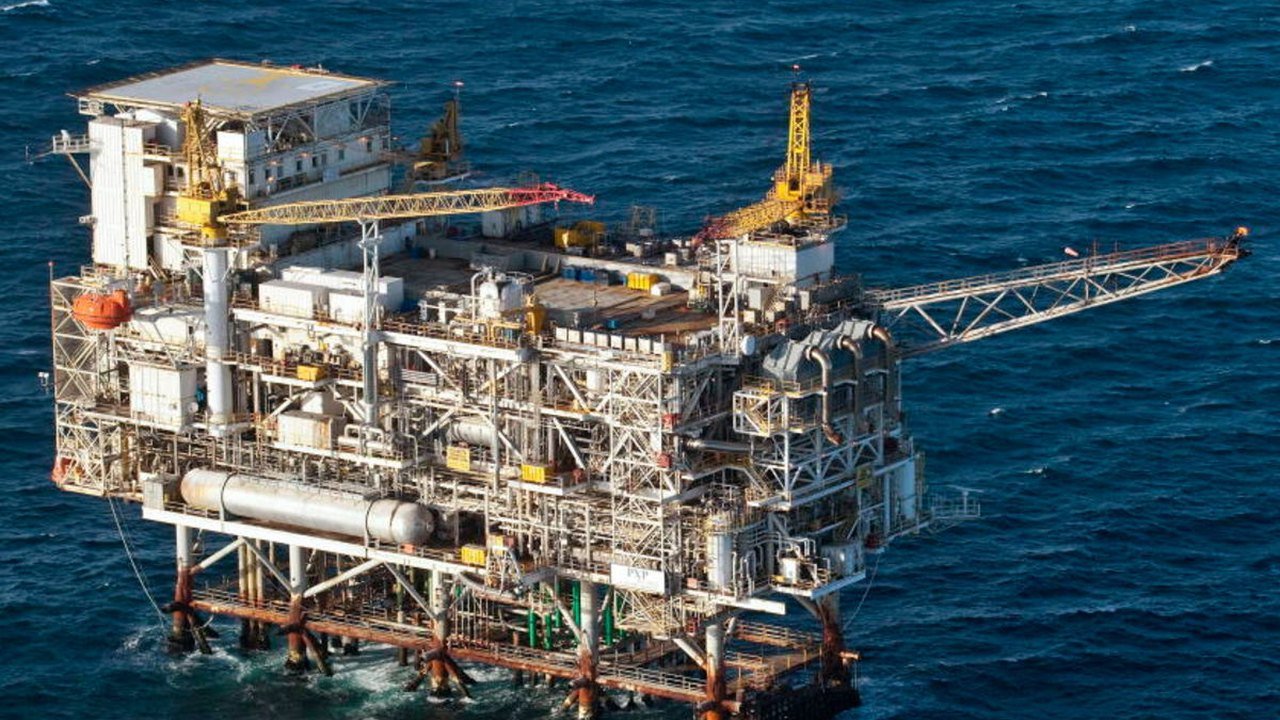
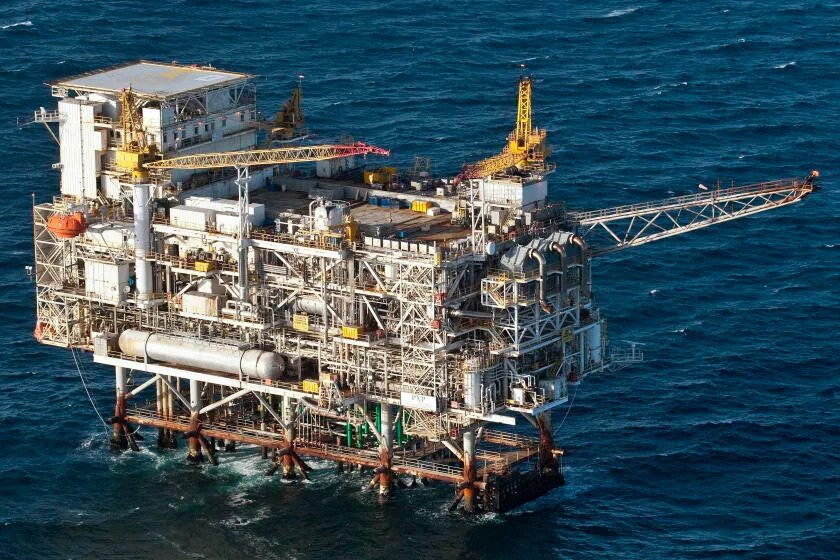
A quiet proposal from the Trump administration could change the way offshore oil platforms are managed when they reach the end of their useful lives, leaving more of them to lie permanently on the seafloor off the coast of California. Buried within a September executive order about recreational fishing, President Trump directed the Department of the Interior — through its newly formed Marine Minerals Administration — to establish a federal 'reef-in-place' program for decommissioned offshore oil and gas platforms.
At a Glance
- The Trump administration's plan would make 'topple in place' the default decommissioning method for offshore oil rigs off California's coast.
- The method involves knocking all or most of the platform over onto its side to rest on the sea bottom, a practice that has never been tried in the Pacific waters off California.
- Critics say the plan is designed to benefit fossil fuel companies, which could avoid hundreds of millions of dollars in expenses by not fully removing the platforms.
Trump's Executive Order and the 'Reef-in-Place' Program
The proposal is part of a September executive order about recreational fishing, which directed the Department of the Interior to establish a federal 'reef-in-place' program for decommissioned offshore oil and gas platforms. The program would allow for the creation of artificial reefs for marine life by leaving all or part of the metal structures in the ocean.
The Interior Department has signaled that it intends to go one step further, with a rulemaking scheduled for 2027 that would make 'topple in place' the default decommissioning method if approved.
Critics Say the Plan Benefits Fossil Fuel Companies
Critics say the plan is designed to benefit fossil fuel companies, which could avoid hundreds of millions of dollars in expenses by not fully removing the platforms. According to federal estimates, full removal of some of the largest offshore platforms could cost more than $200 million.
Robert Collier, an oil industry consultant, said that decommissioning via topple in place would be a huge windfall for oil companies, allowing them to avoid complex engineering and contracting problems.
Industry Context and Next Steps
The Trump administration's plan comes as the White House seeks to reopen waters in the Pacific to new oil leasing for the first time in more than 40 years, along with new lease areas in Alaska and the Gulf of Mexico.
The proposal has sparked criticism from environmental groups, who say it would harm marine life and ecosystems. The plan is expected to face opposition from lawmakers and environmental groups in the coming months.
What to Watch Next
The rulemaking process for the 'reef-in-place' program is expected to begin in 2027, with a final decision on the plan's implementation expected in the following years.
The proposal's impact on the oil industry and the environment will be closely watched in the coming months, with many expecting a fierce debate over the plan's merits and drawbacks.
Have a news tip, press statement, or correction request? Reach the EmailTrump News Newsroom or review our Editorial Standards & Corrections Policy.
About the Author