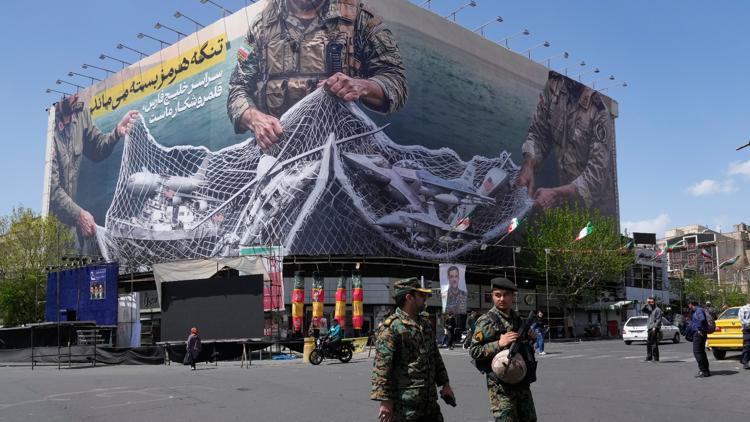
In a stunning declaration, President Donald Trump announced that the United States military had not only begun clearing mines from the vital Strait of Hormuz but had also sunk all 28 of Iran’s mine-laying ships. Yet, despite these bold claims, the key waterway remains effectively closed, causing significant disruption to global energy markets. The U.S. Central Command confirmed the USS Frank Peterson and USS Michael Murphy were actively “setting conditions” to clear mines, allegedly laid by Iran’s Islamic Revolutionary Guards Corps. Admiral Brad Cooper, head of Central Command, optimistically stated plans to establish a new safe passage for maritime commerce, aiming to restore the free flow of goods. However, persistent fears of Iranian attacks on shipping have throttled the Strait for weeks, directly impacting global oil supplies. Consequently, U.S. gasoline prices have spiked, highlighting the far-reaching economic consequences of this instability. Amidst these military maneuvers, representatives from the U.S. and Iran simultaneously engaged in fragile ceasefire talks hosted by Pakistan in Islamabad. This critical situation underscores a complex geopolitical standoff, where diplomatic efforts proceed even as military operations unfold. The stark contrast between military assertions and continued market instability paints a volatile picture of regional dynamics. Don’t miss out on crucial updates about global security and energy; subscribe to our channel for more in-depth analysis.
Follow us on social media:
– X: @BollyMirch
– Instagram: @bollymirch
📱 Tags & Keywords:
#straitofhormuz #usmilitary #iran #mineclearing #donaldtrump #globaloil #energycrisis #ussfrankpeterson #ussmichaelmurphy #usirantalks
About the Author