FED SHOCKER: New Data Throws Rate Hike Plans into CHAOS – 3 Key Takeaways
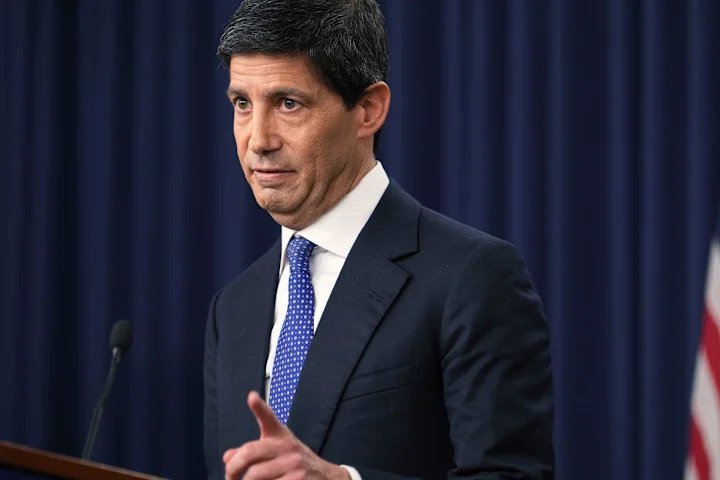
3% is a relatively cool inflation rate, but is it enough to shift the Federal Reserve's stance on interest rates? The Fed's unanimous decision to raise rates in September was based on a robust labor market and strong economic growth, but recent economic data has changed the picture. Core PCE inflation rose a lower-than-expected 3% in August, and September jobs numbers fell short of expectations. This has analysts questioning the need for another rate hike this month. Federal Reserve officials are taking a more cautious approach, acknowledging that inflation remains a concern but tempering expectations for a rate hike. As the economy continues to evolve, the Fed's decision will have significant implications for the stock market and consumers. The future of interest rates is uncertain, but one thing is clear: the Fed is closely watching inflation and employment numbers. The unemployment rate edged up to 4.2% in September, and wages are lower than expected. The Fed's decision will have far-reaching consequences, and experts are weighing in on the potential impact of another rate hike. As the economy continues to grow, the Fed must balance the need to control inflation with the risk of slowing down economic growth. The stakes are high, and the outcome is far from certain. With so much uncertainty, it's essential to stay informed and adapt to changing economic conditions. Stay tuned for the latest updates and analysis as the situation continues to unfold. To stay ahead of the curve, be sure to subscribe to our channel for the latest news and insights on the economy and financial markets.
Tags/Hashtags: #FederalReserve #interestrates #inflation #labormarket #economicactivity #federalfundsrate #FederalOpenMarketCommittee #ratehike #economicdata #inflationrate #TheFed #FederalReserve #interestrates #inflation #labormarket #economicactivity #federalfundsrate #FederalOpenMarketCommittee #ChrisHodge #KevinWarsh #PhilipJefferson #JohnWilliams
About the Author