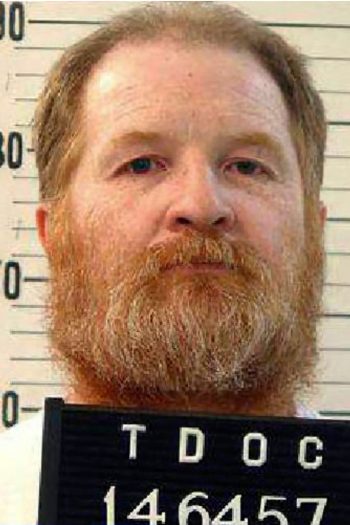
Did you know that in the past decade, the electric chair has been used only five times in the U.S., and all of them were in Tennessee? This chilling fact resurfaces as Tennessee death row inmate Harold Wayne Nichols, convicted of the brutal 1988 rape and murder of 21-year-old Karen Pulley, faces his December 11th execution. Nichols recently declined to choose between electrocution and lethal injection, meaning the state will default to its preferred method. Intriguingly, he had previously chosen the electric chair for a scheduled 2020 execution, which was then postponed due to the COVID-19 pandemic. However, the state’s lethal injection methods have been plagued with controversy; an independent review in 2022 shockingly revealed that drugs for seven past executions were improperly tested, leading Governor Bill Lee to pause all executions. A new, single-drug protocol was introduced last December, but it too is now facing legal challenges from other death row inmates, with a trial set for April. Despite expressing remorse at trial, Nichols admitted he would have continued his violent spree if not arrested, underscoring the gravity of his crimes and the complex moral dilemmas surrounding capital punishment. This case highlights not only the enduring debate over execution methods but also the deeply unsettling flaws discovered within the system. Stay informed on this unfolding story and many others by subscribing to our channel for in-depth coverage.
Follow us on social media:
– X: @BollyMirch
– Instagram: @bollymirch
📱 Tags & Keywords:
#haroldwaynenichols #deathrow #execution #tennessee #electricchair #lethalinjection #capitalpunishment #karenpulley #justicesystem #govbilllee
About the Author