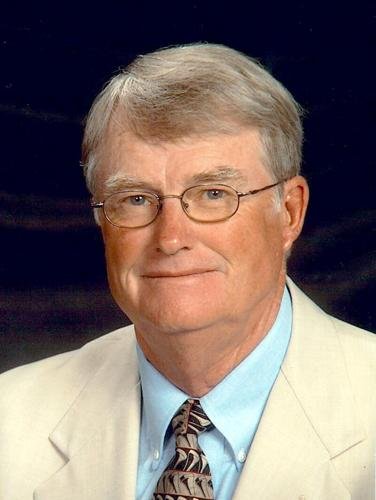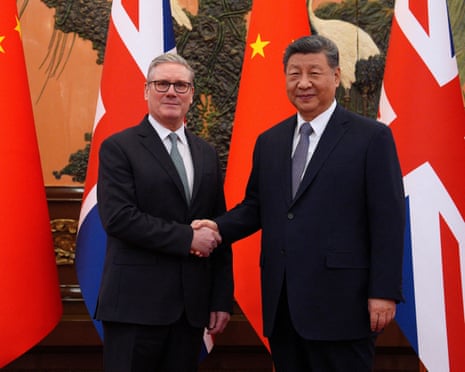
Can diplomacy truly bridge the chasm of human rights disputes, or is a historic thawing in UK-China relations merely a political maneuver? In a surprising development, China has agreed to lift travel restrictions on a group of British lawmakers, a move announced by Prime Minister Keir Starmer during his landmark visit to the nation – the first by a UK leader in eight years. This diplomatic overture signals a potential shift in relations, despite persistent concerns over espionage and alleged human rights abuses in regions like Xinjiang. Starmer personally engaged with President Xi Jinping, who confirmed the removal of the 2021 sanctions, which had targeted nine Britons, including former Conservative leader Iain Duncan Smith, for allegedly spreading “lies and disinformation.” However, the path to improved relations is not without its thorns. A group of these very lawmakers expressed strong opposition, declaring they would rather remain sanctioned than have their status exploited as a “bargaining chip” to justify lifting sanctions on Chinese officials. They vehemently rejected any deal prioritizing personal convenience over justice for the Uyghur people, highlighting the moral complexities involved. Moreover, Starmer’s spokesperson confirmed that Britain would not reciprocate by lifting its sanctions on Chinese individuals. This intricate dance of diplomacy, where gestures of goodwill are met with staunch moral stands, illustrates the ongoing tension between economic opportunity and human rights advocacy. For more in-depth analysis of global political chess matches like this, make sure to subscribe to our channel!
Follow us on social media:
– X: @BollyMirch
– Instagram: @bollymirch
📱 Tags & Keywords:
#china #keirstarmer #xijinping #sanctions #britishlawmakers #humanrights #xinjiang #diplomacy #internationalrelations #iainduncansmith
About the Author