US-Canada Rift: China EV Deal Sparks Outrage! Trump’s Shocking Stance Revealed
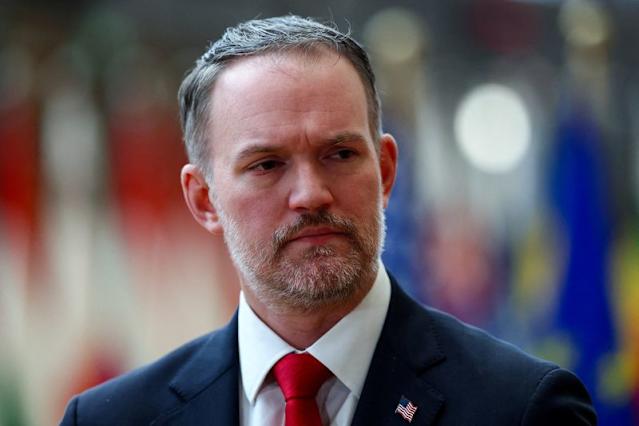
Why would the U.S. label its closest ally's trade deal 'problematic' while simultaneously welcoming the same foreign investment? The U.S. Trade Representative, Jamieson Greer, recently declared Canada's decision to allow up to 49,000 Chinese electric vehicles at a low tariff rate as deeply concerning, suggesting Canada will regret the move. This stark warning stems from the U.S.'s own robust tariffs designed to shield American auto workers and consumers from Chinese vehicle imports, citing both economic and cybersecurity risks. Greer specifically highlighted impending January 2025 rules on connected vehicle systems as a significant barrier for Chinese automakers in the U.S. market, raising serious questions about data security. Interestingly, this strong stance from the U.S. administration comes despite President Donald Trump's recent comments, where he reiterated his desire for Chinese automakers to build plants and create jobs directly within the United States. This apparent contradiction underscores the complex and often conflicting facets of international trade policy. While Canada reportedly sought agricultural tariff relief as part of its EV agreement, the U.S. maintains its protective stance, signaling potential friction within North American trade relations. The unfolding dynamics between trade protectionism, national security, and global economic interests are truly fascinating. Don't miss out on these critical geopolitical and economic shifts; make sure to subscribe to our channel for the latest insights.
Tags/Hashtags: #USTrade #Canada #ChinaEVs #Tariffs #JamiesonGreer #DonaldTrump #AutoIndustry #Cybersecurity #TradePolicy #NorthAmerica #JamiesonGreer #DonaldTrump #Canadiangovernment #U.S.TradeRepresentative #China
About the Author