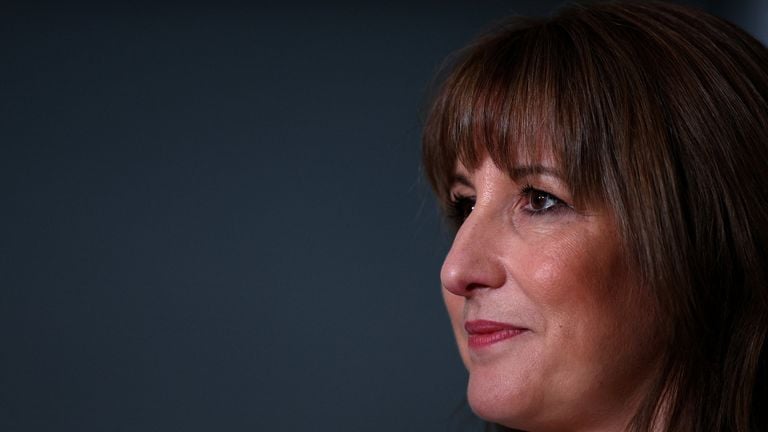
Did the British government deliberately mislead the public about the UK’s economic health? This month, British finance minister Rachel Reeves painted a stark economic picture, ostensibly laying the groundwork for potential income tax hikes. However, a stunning letter from the Office for Budget Responsibility (OBR) revealed that Reeves simultaneously possessed forecasts showing significantly better-than-expected news for public finances. The OBR’s head, Richard Hughes, confirmed that while productivity was indeed downgraded, this was actually offset by increases in real wages and inflation—critical details conspicuously absent from Reeves’ public statements. This dramatic discrepancy has fueled intense scrutiny over the government’s pre-budget communications, even stirring volatility in the British government bond market. Despite denials from Prime Minister Keir Starmer’s spokesman regarding misleading the public, the controversy deepened when Hughes himself offered to resign after the OBR prematurely released budget specifics. This entire saga highlights a worrying lack of transparency in government economic messaging, leaving citizens to question the true state of their nation’s finances. It’s a stark reminder that even official figures can be selectively presented. Stay informed on these critical developments by subscribing to our channel for more unfiltered analysis.
Follow us on social media:
– X: @BollyMirch
– Instagram: @bollymirch
📱 Tags & Keywords:
#ukeconomy #rachelreeves #obr #budget #taxincreases #fiscalwatchdog #governmenttransparency #economicforecasts #richardhughes #keirstarmer
About the Author