19th-Century Railway’s SHOCKING Secret: A Rope Pulled Its Trains?!
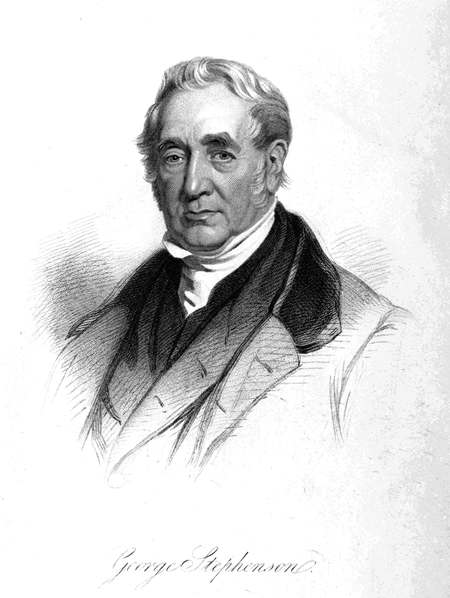
Imagine a train journey where, halfway through, the steam engine stopped, and your carriage was literally pulled up a hill by a rope! This was the groundbreaking reality of the 19th-century Canterbury and Whitstable Railway, famously known as The Crab and Winkle Line. Originally conceived to haul freight from the north Kent coast to Canterbury, this six-mile line, which officially opened on May 3, 1830, quickly saw the commercial potential of passenger transport. Central to its innovation was the 'Invicta' locomotive, a formidable creation by the esteemed engineer George Stephenson. Far from being a mere replica of his famous Rocket, Invicta was a powerhouse, specifically engineered with four-wheel drive and enhanced steam production to conquer Whitstable's challenging gradients. Yet, its most astonishing feature was its hybrid operation; after an initial two miles of steam power, the wagons would halt, connect to a rope, and be hauled uphill by a stationary engine – a truly ingenious solution for its time. Although passenger services, in various forms, continued until 1931 before giving way entirely to freight and eventually closing in 1952 due to the rise of motor transport, its legacy endures. Today, a national cycle route traces much of its original path, and the magnificent Invicta locomotive itself can still be marveled at in Whitstable Museum, offering a tangible link to this pioneering era of engineering. If you found this glimpse into historical ingenuity fascinating, make sure to subscribe to our channel for more captivating stories from the past!
Tags/Hashtags: #GeorgeStephenson #Invicta #CanterburyandWhitstableRailway #CrabandWinkleLine #steamlocomotive #19thcentury #railwayhistory #pioneeringtechnology #WhitstableMuseum #trainengineering #GeorgeStephenson #PeterBanbury #WhitstableMuseum #CanterburyandWhitstableRailway #TheCrabandWinkleLine #Invictalocomotive #northKentcoast #Canterbury #Whitstable
About the Author