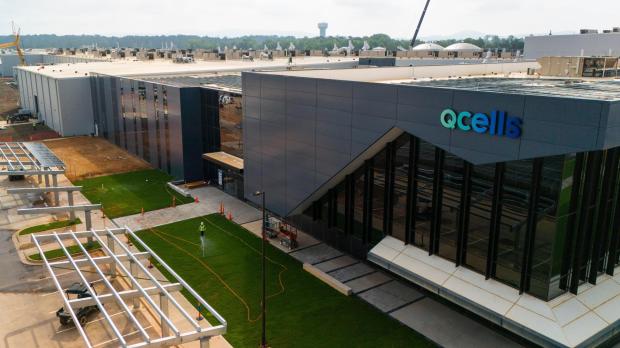
How can a company committed to American manufacturing be forced to slash jobs and pay due to its own government’s actions? Qcells, a major South Korean solar firm operating in Georgia, is facing severe operational disruptions, forcing temporary pay cuts, reduced hours, and even layoffs for hundreds of its workers. U.S. Customs and Border Protection has been detaining crucial imported components, suspecting they contain materials made with forced labor in China. This drastic measure, stemming from intensified enforcement of the 2021 Uyghur Forced Labor Prevention Act, has crippled Qcells’ ability to run its solar panel assembly lines at full capacity. Despite Qcells’ vehement denials, asserting robust supply chain due diligence and detailed documentation showing no Chinese materials, particularly from Xinjiang province, the detentions persist. The company, which pays its Georgia employees an average of $53,000 annually, is actively cooperating with authorities and expects production to normalize in the coming weeks. Remarkably, Qcells is simultaneously investing $2.3 billion in a new Cartersville plant to build an entire domestic solar supply chain, a commitment that remains unwavering even after President Donald Trump and Congress dismantled solar tax credits. This highlights a perplexing conflict where a company dedicated to U.S. manufacturing is inadvertently hampered by policies designed to uphold human rights and secure supply chains. The future of these jobs and America’s solar independence hangs in the balance as Qcells navigates this complex situation. For more critical analyses on the intersection of global trade and domestic employment, make sure to subscribe to our channel!
Follow us on social media:
– X: @BollyMirch
– Instagram: @bollymirch
📱 Tags & Keywords:
#qcells #solarindustry #forcedlabor #uscustoms #georgiajobs #supplychaincrisis #chinaimports #uyghuract #americanmanufacturing #tradepolicy
About the Author