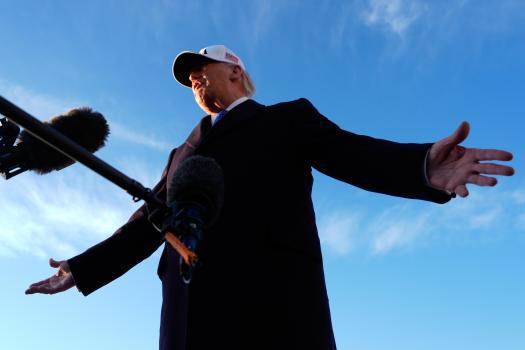
Could a mere two-week war in the Middle East truly bring a sitting U.S. President to his political heels, jeopardizing his party’s control of Congress? Just two weeks after the U.S. and Israel launched strikes on Iran, President Donald Trump finds himself deeply embattled, grappling with plunging poll numbers and a public increasingly concerned by American casualties, skyrocketing oil prices, and a volatile stock market. His inability to articulate a clear strategy for the conflict’s conclusion has left many, even his loyal supporters, questioning his leadership. Astonishingly, the war has inadvertently become a strategic boon for Moscow, as Trump’s decision to ease sanctions on Russian oil shipments, combined with rising global prices, undercuts years of effort to weaken Vladimir Putin’s ability to fund the war in Ukraine. Meanwhile, a reinvigorated Democratic Party, reeling from the 2024 election loss, has seized this moment, uniting against Trump’s Iran policy and highlighting the economic chaos as proof of Republican failures. Trump’s frustration is palpable, as he lashes out at allies like British Prime Minister Keir Starmer for perceived lack of support and demands other nations protect the crucial Strait of Hormuz, which now sees a fifth of the world’s traded oil disrupted. This unprecedented political turbulence has some strategists predicting a potential “blue wave” in the upcoming midterms, mirroring past electoral upsets. The President’s own statements, claiming victory “in the first hour,” ring hollow as global energy markets reel and his administration struggles to secure international cooperation. For more deep dives into how global conflicts reshape American politics and the economy, remember to subscribe to our channel.
Follow us on social media:
– X: @BollyMirch
– Instagram: @bollymirch
📱 Tags & Keywords:
#iranwar #donaldtrump #uspolitics #midtermelections #oilprices #straitofhormuz #russiansanctions #vladimirputin #democraticparty #globaleconomy
About the Author