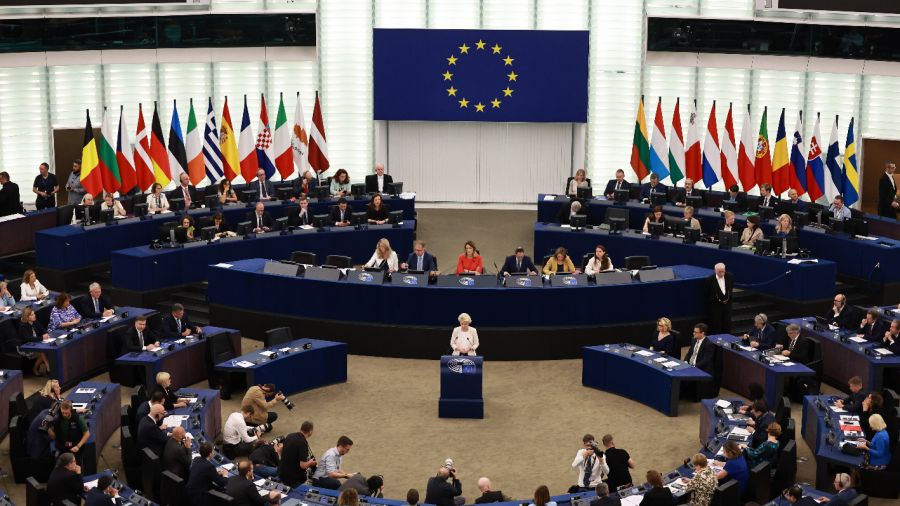
Could a quarter-century of complex negotiations finally reshape global trade, or will it spark a new wave of political and economic upheaval? After over 25 years, the European Union has taken a pivotal step towards signing its largest ever free trade agreement, with EU ambassadors provisionally approving a landmark deal with South American bloc Mercosur on Friday. Proponents, including Germany and Spain, champion this accord as crucial for opening new markets, countering U.S. tariffs, and lessening reliance on China for critical minerals. However, this historic decision has sparked significant controversy; powerful opponents, led by France, vehemently argue the agreement will flood the EU with cheap agricultural products, severely undercutting domestic farmers who have already staged widespread protests across the continent. While the agreement promises to remove an astounding 4 billion euros in duties on EU exports, critics fear the impact on local economies and food security. Despite the European Commission introducing safeguards and a crisis fund, these measures failed to fully sway nations like Poland and France, though Italy notably shifted its ‘no’ vote to a ‘yes.’ This provisional approval now clears the path for European Commission President Ursula von der Leyen to potentially sign the deal as early as next week, though the European Parliament’s final consent is still required. The battle for this massive economic overhaul is far from over, promising continued dramatic developments in international trade. Don’t miss out on breaking global stories like this—make sure to subscribe to our channel for the latest updates!
Follow us on social media:
– X: @BollyMirch
– Instagram: @bollymirch
📱 Tags & Keywords:
#mercosur #tradedeal #freetradeagreement #tariffs #farmerprotests #europeancommission #globaltrade #southamerica #ursulavonderleyen #philipblenkinsop
About the Author