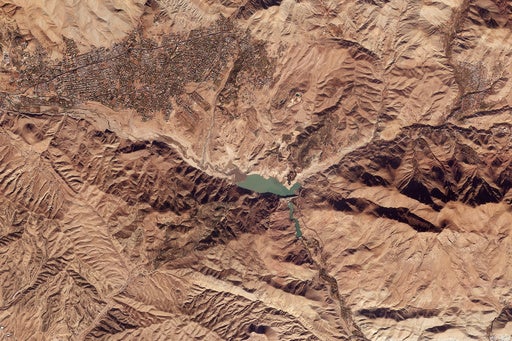
Imagine a nation so parched that its president considers moving the capital to save it from a devastating water crisis? This isn’t a dystopian novel, but the stark reality facing Iran, which is enduring its driest autumn in over half a century. Despite a recent, much-anticipated first rain in Tehran, the country’s dams and reservoirs remain critically low, with one key reservoir, Latyan Dam, reportedly under 10% full. Meteorologists warn that even with normal winter and spring precipitation, Iran faces a 20% water shortage, a crisis compounded by inefficient water usage, particularly in agriculture, which consumes an astonishing 90% of the nation’s supply. Historically arid, Iran’s challenges are further exacerbated by climate change, accelerating droughts across the region and threatening not only food security but also regional stability. The government faces a monumental task, with calls for public conservation amid economic struggles and international sanctions. Meanwhile, the scientific community projects that severe droughts like the current one could become a decade-long recurring nightmare. Don’t miss out on more critical global stories; subscribe to our channel for comprehensive coverage and in-depth analysis of the issues shaping our world.
Follow us on social media:
– X: @BollyMirch
– Instagram: @bollymirch
📱 Tags & Keywords:
#iran #drought #watercrisis #tehran #climatechange #reservoirs #agriculture #middleeast #watershortage #alborzmountains
About the Author